Month: March 2025

  • Healthcare AI integration to transform diagnostics will reach $1.6B

    Healthcare AI integration to transform diagnostics will reach $1.6B

    India’s healthcare industry is on a meteoric rise, projected to soar to $650 billion by 2025, driven by an impressive 22% compound annual growth rate since 2016. At the forefront of this transformation is artificial intelligence (AI), with its integration into healthcare set to skyrocket to a $1.6 billion market by 2025, revolutionizing diagnostics, treatment, and patient care like never before, growing at 40%.

    The healthcare sector is set to receive 2.5% of India’s GDP as government investment, and AI in healthcare could add $25-30 billion to India’s GDP by 2025. Tech giants like Google (partnering with Forus Health) and Tata Group (through Tata Elxsi) are all set to drive innovation in the healthcare sector. The sector itself is ripe for innovation and needs to tackle barriers like poor connectivity and a lack of healthcare professionals.

    India’s healthcare ecosystem faces several challenges, including limited access to medical professionals in rural areas, inadequate infrastructure, high healthcare costs, and connectivity issues in remote regions. AI-powered solutions—such as predictive diagnostics, automated medical imaging, virtual healthcare assistants, remote diagnostics, error-reduction systems, and healthcare delivery optimization models—can help bridge these gaps by improving quality, reducing costs, and enhancing accessibility for all. While AI presents unprecedented opportunities to enhance healthcare delivery, there is an urgent need to assess the existing regulatory framework for AI implementation in this sector.

    Existing legal structure
    The advancement of AI depends on its ability to process and analyze vast amounts of data. Machine learning models require extensive datasets for training, which can either be manually provided by users or gathered incidentally as AI performs tasks. In healthcare, this data often includes sensitive personal information such as medical history, diagnostic test results, and genetic details, all of which are essential for delivering effective medical services. The Digital Personal Data Protection Act, 2023 (DPDPA), India’s first comprehensive law on the subject, does not explicitly address AI processing, and all obligations are tied to human actors.

    The Indian government is working towards establishing a National Digital Health Infrastructure (Ayushman Bharat Digital Mission), to create a nationwide digital ecosystem that integrates healthcare service providers and patients through unique health IDs, with the use of emerging technologies. This will likely result in large pools of medical data being integrated into AI systems for the purpose of at least organizing and indexing, if not analysis and decision making.

    The eventual implementation of the DPDPA will have to be considered in respect of the healthcare sector. The provisions of health services necessarily involve several checkpoints for data collection and processing (including data of a patient’s family, guardians, and visitors), and it will be difficult to impose any liability on personal data processing by AI, in the absence of clear guidelines.

    What are the existing guidelines?
    The Indian Medical Council (Professional Conduct, Etiquette, and Ethics) Regulations, 2002, which govern the professional conduct of healthcare providers in India, have been further supplemented by the Indian Council of Medical Research (ICMR) Guidelines on the Ethical Application of Artificial Intelligence in Biomedical Research and Healthcare. These guidelines currently mandate a ‘human-in-the-loop’ approach, requiring healthcare practitioners to review and validate AI-generated results before they are communicated to patients. This ensures human oversight, maintaining the accuracy and reliability of AI-driven decisions in patient care. However, as AI capabilities continue to evolve, the need for dedicated legislation becomes increasingly crucial to prevent potential risks and unintended consequences for end users.

    The government’s National Digital Health Mission (NDHM) aims at creating a robust digital healthcare ecosystem by integrating the use of AI into healthcare data management. The NDHM also emphasizes on creating a secure, unified health data platform and trustworthy clinical decision support systems while establishing clear guidelines for data interoperability, privacy and security.

    Regulatory gaps and challenges
    Importantly AI algorithms can exhibit biases due to non-diverse training data, potentially leading to misdiagnoses, especially for underrepresented populations. This challenge is particularly significant in India’s diverse demographic landscape, raising ethical concerns about the fairness and accuracy of AI-driven healthcare solutions. The issue is further compounded when AI models trained on foreign or predominantly urban medical data are applied across India. For instance, an AI algorithm designed to predict breast cancer risk may inaccurately classify women of color as ‘low risk’ due to the lack of diverse training data, resulting in potential disparities in diagnosis and treatment.

    There is a lack of a comprehensive regulatory framework governing AI, while the responsibility for any AI tool oversight is unclear and largely depends on contractual arrangements. Further, the testing requirements for diagnostic AI tools are insufficient, and the liability attribution in cases of AI misdiagnosis is also ambiguous. This could result in inaccurate results and consequently unreliable diagnosis, jeopardizing patient safety.

    Potential legal framework
    To ensure accurate and fair AI outcomes, it is essential to mandate diverse dataset requirements that account for ethnic diversity, geographic representation, and socioeconomic variation in AI training. Statutory obligations should include regular audits of AI systems and the implementation of continuous monitoring protocols. A key priority is the establishment of a dedicated regulatory authority for healthcare AI, responsible for developing comprehensive testing and approval processes, defining clear liability frameworks, and implementing effective grievance redressal mechanisms. Bharucha & Partners


  • Medical humidifiers market is projected to reach USD 1,211.7M

    Medical humidifiers market is projected to reach USD 1,211.7M

    The global medical humidifier market, valued at USD 878.4 million in 2023, is forecasted to grow at a robust CAGR of 5.6%, reaching USD 922.8 million in 2024 and an impressive USD 1,211.7 million by 2029. Increased admissions to intensive care (ICUs) and neonatal intensive care units (NICUs), especially for ventilator-dependent patients, increasing neonatal mortality & preterm birth rates, aging populations, and rising healthcare costs are shifting patient care from hospitals to home settings. Governments and private investors are expanding hospital networks, leading to higher demand for humidification devices, which drives market growth. Additionally, government and non-government initiatives in respiratory health and post-pandemic demand for respiratory care also offer opportunities for market growth.

    By based on product, the medical humidifier market is segmented into Heated Humidifier, Bubble Humidifier, Heat and Moisture Exchangers (HMEs), and Humidifier Accessories. Among these, in 2023, Heat and Moisture Exchangers (HMEs) segment accounts for the highest growth rate in the Medical humidifier market. This is due to increasing surgical volumes worldwide, especially in developed and emerging economies, is fueling demand for anesthesia-related humidification devices, compared to active humidification systems, HMEs are more affordable, require no power source, and have low maintenance costs, HMEs enhance comfort for patients using CPAP and BiPAP machines for sleep apnea and chronic respiratory conditions, and growing healthcare access in Asia Pacific, Latin America, and the Middle East is driving the uptake of HMEs in newly built hospitals and homecare settings.

    By patient type, the medical humidifier market is divided into three segments based on patient type: adult, pediatric, and neonatal. Among them, in 2023, adult patients segment accounts for the greatest market share of the medical humidifier market, since age-related loss of lung function necessitates the use of humidifiers in long-term oxygen treatment (LTOT), CPAP/BiPAP therapy, and home ventilation. Postoperative ventilation in adults undergoing surgeries (cardiac, neurological, and pulmonary) drives demand for heated humidifiers and heat moisture exchangers (HMEs), as does the growing elderly population (65 and older), who are more susceptible to chronic respiratory failure and pulmonary infections. According to the World Health Organization (2024), by 2030, one in every six individuals worldwide would be 60 or older, with the population in this age group expected to increase from 1 billion in 2020 to 1.4 billion. Furthermore, the number of people aged 80 and older is expected to triple between 2020 and 2025, reaching 424 million. The medical humidifier market is predicted to grow in line with the large growth in the aging population, especially among the elderly.

    By geography, The medical humidifier market is segmented into six major regional segments, namely, North America, Europe, Asia Pacific, Latin America, Middle East & Africa, and GCC Countries. The north America accounts for the largest market share in the medical humidifier market in 2023. This is due to rising ICU admissions and ventilator use, which necessitate humidification systems for oxygen therapy and mechanical ventilation, ongoing development and commercialization of medical humidifier products, supportive government regulations for product commercialization, and significant investments in hospital infrastructure. For example, the World Bank Group predicts that in 2022, North America’s health expenditure will account for 16.6% of the region’s GDP, indicating a high commitment to healthcare infrastructure development. Additionally, the huge presence of medical humidifier manufacturing companies in the region is increasing the market growth in the region. These companies are investing heavily in research and developments thus providing technologically advanced medical humidifiers across the region thus contributing to the regional growth. MarketsandMarkets

  • Saudi Arabia is investing $500 million to create a global T20 cricket rivalry

    Saudi Arabia is investing $500 million to create a global T20 cricket rivalry

    A new global Twenty20 cricket league, backed by Saudi Arabia’s SRJ Sports Investments, is in the works and could mark one of the most significant changes to the sport in decades. The league is being spearheaded by Australian cricket figure Neil Maxwell and has been in development for over a year.

    A game-changing T20 league
    The proposed eight-team league is inspired by tennis’ Grand Slams, with matches set to be played in four different locations worldwide each year. Saudi Arabia is expected to inject $500 million (AU$800 million) into the project, making it the league’s largest financial backer. Discussions are ongoing with the International Cricket Council (ICC), the sport’s global governing body.

    Maxwell, a former NSW and Victoria all-rounder who now manages Australian captain Pat Cummins, has been a key force behind the proposal. He has worked closely with the Australian Cricketers’ Association (ACA) to develop the league as a new revenue stream that could help sustain Test Cricket beyond the dominant markets of India, Australia, and England.

    Major financial backing and Saudi Arabia’s sports push
    The Saudi government has been aggressively expanding its presence in global sports, investing heavily in LIV Golf, Formula 1, and securing hosting rights for the 2034 FIFA World Cup. This T20 league would add to its growing portfolio.

    SRJ Sports Investments is headed by Danny Townsend, the former CEO of the Australian Professional Leagues. Saudi Arabia’s Public Investment Fund (PIF), which owns a stake in streaming service DAZN, now also has ties to Australian cricket broadcasting, increasing its influence in the sport.

    League structure and calendar fit
    Sources told The Sydney Morning Herald that the league would be played during open windows in the cricket calendar, ensuring minimal disruption to existing international matches and domestic T20 leagues like the Indian Premier League (IPL) and Australia’s Big Bash League (BBL).

    The tournament would introduce new franchise teams, including one based in Australia, and feature both men’s and women’s competitions. The final could be held in Saudi Arabia, highlighting its ambitions to become a major cricket destination.

    A financial lifeline for smaller cricket nations
    Unlike traditional cricket funding models, where revenues heavily favour India, Australia, and England, this league is designed to distribute wealth more evenly. Smaller cricketing nations could receive a share of the profits, helping them remain financially viable and reducing their reliance on loss-making Test matches.

    The league is positioned as a complement to domestic T20 leagues rather than a competitor, giving players an additional lucrative platform while addressing long-term concerns about cricket’s financial sustainability.

    Challenges and ICC approval
    For the league to proceed, approval from the ICC and national cricket boards, including Cricket Australia, will be crucial. The ultimate decision rests with ICC Chair Jay Shah, who has the authority to determine whether Indian players can participate. The Board of Control for Cricket in India (BCCI) currently prohibits Indian cricketers from competing in overseas T20 leagues outside the IPL, a policy that may need to be reconsidered.

    Saudi controversy and ‘sportswashing’ accusations
    Saudi Arabia’s growing involvement in global sports has not been without controversy. Human rights groups have accused the kingdom of using its vast financial resources to engage in “sportswashing” to improve its international image. The 2018 murder of journalist Jamal Khashoggi and the exploitation of migrant workers have drawn widespread criticism.

    Despite this, Saudi Arabia defends its investments in sports as part of Crown Prince Mohammed bin Salman’s Vision 2030 strategy, aimed at transforming the country’s economy and global standing. The nation has already established links with cricket, hosting the IPL 2025 mega auction in Jeddah and planning major investments in cricket infrastructure, including state-of-the-art stadiums. Business Standard

  • More disgrace for Pak cricket players: The Hundred draft sees all 50 go unsold

    More disgrace for Pak cricket players: The Hundred draft sees all 50 go unsold

    All 50 Pakistan players – 45 men and 5 women – went unsold in The Hundred draft. While Aliya Riaz, Fatima Sana, Yusra Amir, Iram Javed, and Jaweria Rauf did not find any takers amid tough competition in the women’s pool, many big names from the men’s team also went unsold. The names included the likes of Imad Wasim, Saim Ayub, Shadab Khan and Hasan Ali with fast bowler Naseem Shah being the highest-priced among them. Afghanistan spinner Noor Ahmad and New Zealand all-rounder Michael Bracewell got the best deals with Noor joining Manchester Originals while Bracewell was picked by Southern Brave. Former Australia cricketer David Warner was picked by London Spirit.

    Meanwhile, in a stunning development, the Pakistan Cricket Board (PCB) has resorted to cost-cutting measures including slashing the match fees of players in domestic cricket, raising questions about the financial health of the sport’s apex body in the country.

    The PCB has reduced the match fees of cricketers participating in the upcoming National T20 Championship from 100,000 rupees per match to 10,000 per match with reserve players getting 5000 per match. The tournament begins on March 14.

    The reduction in match fees has caused concern among players and the board is also considering spending less on development of domestic cricket.

    According to sources, the head of domestic cricket in the PCB, Abdullah Khurrum Niazi, has been “reducing facilities” for domestic players in the last few months.

    “The players who were first being offered accommodation at five-star and four-star hotels are now being offered cheaper accommodation. Air travel has also been reduced for them besides fees,” a source said.

    Another source said that outstanding payments from last season are yet to be cleared for players and umpires.

    Additionally, the PCB is yet to implement an annual pension increase for former Test cricketers, as mandated by board policy.

    The irony, according to one source, is that while match fees for players are being reduced, officials taking these decisions are getting monthly salaries in millions.

    Listen to the latest songs, only on JioSaavn.com

    The PCB at the same time is also paying hefty monthly salaries to national selectors and even mentors appointed with five teams for the just-concluded Champions Cup. Sports News

  • TRAI might restrict Starlink to mobile, dim sites

    TRAI might restrict Starlink to mobile, dim sites

    With Bharti Airtel and Reliance Jio forming strategic partnerships with Starlink, the Telecom Regulatory Authority of India (Trai) is now expected to expedite its recommendations on satellite spectrum pricing. Sources said that the regulator will likely recommend that satellite companies initially focus on providing services in mobile dark areas — regions where terrestrial networks are unavailable.

    This move could alleviate concerns earlier expressed by Jio and Airtel, among other telecom operators, that global satcom players such as Starlink and Amazon Kuiper might capture urban market share without participating in spectrum auctions.

    Sources said that Trai’s cautious approach is driven by the evolving nature of satcom technology. Currently, satellite signals cannot be received directly on standard mobile devices, and satcom services are significantly more expensive than conventional mobile plans. However, technological advancements could change this, therefore Trai wants to retain the discretion to make amends in a changed scenario.

    By restricting satellite services to areas lacking mobile coverage, Trai would be able to evaluate market dynamics and the role of satcom operators in bridging the digital divide. Given that satellite broadband is primarily intended to reach remote locations where fibre or wireless connectivity is unviable, this phased approach would enable it to test and monitor the effectiveness of satellite networks.

    Currently, four companies are vying to provide satellite Internet services: Eutelsat OneWeb, Jio-SES, Starlink and Amazon Kuiper. Bharti Enterprises-backed OneWeb and Jio-SES have already received regulatory clearances, whereas Starlink and Kuiper are still awaiting approvals.

    Since satellite broadband services would be priced at a premium compared to fibre-based broadband, government subsidies might be required to make them affordable for the masses in rural and remote areas. A potential funding mechanism could be the Digital Bharat Nidhi initiative, which supports rural connectivity projects.

    According to estimates by Bernstein, Starlink’s pricing is substantially higher —10 to 14 times — than the country’s leading broadband providers. Based on current rates, a 50-200 Mbps Starlink connection would require an upfront payment of Rs 52,242, followed by a monthly charge of Rs 10,469. Including taxes and levies, the annual cost would amount to Rs 215,600. In contrast, fibre broadband plans from Airtel and Jio offering similar speeds cost between Rs 11,000 and Rs 15,000 annually.

    According to analysts, Starlink’s direct-to-cell technology, which utilises specially designed satellites to function as space-based cell towers, could complement existing telecom networks. Instead of replacing conventional mobile services, this technology may enable Starlink to serve as a roaming partner for Airtel and Jio in remote regions.

    Since direct-to-cell technology requires access to telecom spectrum for compatibility with existing smartphones and terrestrial networks, any such arrangement would need regulatory approval and structured agreements with telecom operators.

    Bharti Enterprises chairman Sunil Bharti Mittal on Wednesday said that satellite technology should be integrated into the telecom sector under similar regulatory conditions. At the India Mobile Congress last year, Mittal joined Reliance Industries’ chairman Mukesh Ambani in advocating that satellite operators planning to serve urban consumers should be subject to the same licensing conditions as telecom operators.

    “If satellite companies want to serve elite urban consumers, they must acquire telecom licences, purchase spectrum and pay licence fees just like telecom operators,” Mittal had stated.

    According to Morgan Stanley’s estimates, satellite communications could generate annual revenues of $19 billion (approximately Rs 1.6 lakh crore) from the underserved broadband market. With only 3% of the country’s 298.7 million households currently using fixed broadband, there remains a vast untapped market of over 290 million households. The Financial Express

  • ISRO aims to launch its first tiny rockets in two years

    ISRO aims to launch its first tiny rockets in two years

    The first small rockets ferrying satellites on Indian Space Research Organisation (Isro) design and technology will take at least two more years to reach the launch pad, even as work to find the ideal candidate for the job reaches its final stage.

    Twenty-three companies had applied to build Isro’s Small Satellite Launch Vehicle (SSLV), after the organization in 2023 decided to bring in the private sector to fuel the growth of the space sector. Of these, three were shortlisted. According to Pawan Kumar Goenka, chairman of Indian National Space Promotion and Authorization Centre (In-Space), the country’s nodal space agency, the government is “likely to finalize the private player for manufacturing SSLV by May this year.”

    While Goenka did not name any of the three companies, a senior official aware of the matter said state-run Hindustan Aeronautics Ltd and Bharat Dynamics Ltd are two of the three companies shortlisted for commercializing the small rocket launcher.

    “We are still getting some information from the companies and the evaluation of applications will start by the end of this month,” Goenka said on the sidelines of an event in New Delhi.

    The decision to transfer the technology to the private sector was part of the Centre’s strategy to increase the involvement of companies in the space sector. In 2023-end, Goenka, through his decadal vision for India’s space sector, projected it to be worth $44 billion by 2033.

    Stakeholders of the space industry said that country’s space firms are yet to truly chase global businesses for commercial orders, as a result of which the impact of the delay of the SSLV may not be as big, since revenue growth could already be low.

    “India’s space sector is highly domesticated, and its international linkages are limited to a few players only. The global economic turbulence won’t allow the Indian commercial space sector to go international any time soon,” said Chaitanya Giri, space fellow at global think tank Observer Research.

    Giri said that India’s space sector has not been able to leverage domestic enterprises due to the lack of readiness of infrastructure such as the SSLV. As an example, he cited both Reliance Jio and Bharti Airtel partnering with the likes of the UK’s OneWeb, Luxembourg’s SES and this week with Elon Musk’s Starlink for satellite internet services—instead of building their own satellites and launching them with India’s own rockets, which would have generated substantial revenue for India from within India itself.

    “We are still at least a few years away from creating a strong bond between a lucrative telecom sector and the nascent space sector. Both sectors will have to confide in each other; the telecom industry must bank on domestic space industry’s capabilities, and the space sector must bank on the orders,” he added.

    However, some highlighted that the country needs to rush to capture the interest in launching small satellites commercially, as the world lacks a dedicated launcher for such satellites right now.

    “This leaves Isro’s SSLV as the only one with launch capacity—but the manufacturing turnaround of India’s small rocket will need to happen as quickly as possible, if India were to capture an opportune piece of the global space pie,” a space industry veteran said, requesting not to be identified.

    To be sure, Goenka’s ‘decadal vision’ has of late met with questions from various corners. On 25 February, Union minister of state for space Jitendra Singh said that India’s space industry is currently worth $8 billion—requiring a compounded annual growth rate of nearly 24% to become $44 billion by 2033.

    However, India’s private space startups are yet to start firing on all cylinders. Skyroot Aerospace and Agnikul Cosmos, private firms building small rockets to launch small satellites, have only conducted solitary sub-orbital ‘demonstrator’ or trial launches. Privatization of India’s central space agency’s rockets, the Polar Satellite Launch Vehicle (PSLV) and the SSLV, are also a multi-year process—largely owing to engineering complexities in space.

    This has led to stakeholders questioning the potential value that the space sector can generate, particularly when taking into account factors such as the SSLV not being ready until 2027.

    However, Goenka doesn’t see any constraints for investments. “Companies will only invest when they see commercial viability. Funding is the biggest concern for startups, but with a ₹1,000 crore venture capital fund kicking in soon and a lot of other funding in the pipeline, I don’t think it should be a concern,” he said. LiveMint

  • Tamil Nadu’s FY26 budget includes Rs 21,906 crore on health

    Tamil Nadu’s FY26 budget includes Rs 21,906 crore on health

    The Tamil Nadu government has allocated Rs 21,906 crore to the Health and Family Welfare Department in its 2025-26 budget, prioritising cancer care, non-communicable diseases, and emergency medical services. Presenting the final budget of the DMK’s current term before the 2026 elections, on Friday, March 14, Finance Minister Thangam Thennarasu outlined key healthcare investments aimed at strengthening medical infrastructure and expanding access to critical treatments.

    Designating Government Arignar Anna Memorial Cancer Hospital and Research Institute in Kanchipuram district as a state-level nodal cancer centre, the government has announced that it would be upgraded into an autonomous 800-bed facility, providing advanced cancer diagnosis, treatment, and palliative care. The government has earmarked Rs 120 crore over the next two years for this initiative. To improve early cancer detection, the government will enhance medical equipment and manpower in secondary and medical college hospitals, with Rs 110 crore allocated over the next three years.

    Additionally, an HPV vaccination program for 14-year-old girls will be launched to prevent cervical cancer, with Rs 36 crore set aside for 2025-26. Further, a sum of Rs 40 crore has been allocated to expand healthcare access through mobile medical teams. These teams, working in collaboration with NGOs, will provide screenings for major cancers and heart diseases, along with lifestyle counseling.

    Other key health allocations in the budget include Rs 2,754 crore for the National Health Mission (NHM), Rs 1,092 crore for the Dr Muthulakshmi Reddy Maternity Benefit Scheme, Rs 1,461 crore for the Chief Minister’s Comprehensive Health Insurance Scheme and Rs 348 crore for Ambulance Services. The News Minute

  • Delhi intends to offer all state-run hospitals fully free dialysis

    Delhi intends to offer all state-run hospitals fully free dialysis

    The Delhi government plans to expand free dialysis services under the Pradhan Mantri National Dialysis Programme to all state-run hospitals, Health Minister Pankaj Singh said on Thursday.

    Speaking at an event on World Kidney Day, the minister highlighted the city government’s commitment to improving healthcare infrastructure under the leadership of Prime Minister Narendra Modi and the guidance of Delhi Chief Minister Rekha Gupta.

    Announcing plans to expand the free dialysis services, he also said economically weaker sections would be prioritised in Delhi government hospitals, ensuring the same high-quality care for them as other patients.

    Singh urged the medical staff to treat patients with professionalism and compassion, creating a more welcoming and supportive environment in hospitals.

    He laid stress on the importance of adopting a healthy lifestyle to protect kidney health and said, “The kidney is an essential organ that helps remove waste materials, regulate blood pressure, support red blood cell production and maintain bone health.”

    Singh highlighted the rising prevalence of kidney diseases, attributing it to high blood sugar, hypertension, obesity and modern lifestyle, urging people to prioritise healthy habits.

    Early detection and lifestyle modifications can significantly reduce the risk of kidney-related illnesses, the minister said.

    People who have undergone kidney transplants or donated kidneys shared their experiences during the event, organised at the Institute of Liver and Biliary Sciences.

    The event was part of a global campaign to educate the public, caregivers, policymakers and the government about the importance of kidney health and preventing kidney disease.

    Institute of Liver and Biliary Sciences Chancellor and Director Professor SK Sarin provided an overview of its advanced facilities for diagnosing and treating kidney diseases, according to a statement. PTI

  • An investigation shows corruption & human rights abuses at RMH, Pune’s patient care.

    An investigation shows corruption & human rights abuses at RMH, Pune’s patient care.

    A probe by a five-member committee appointed by the public health department in January this year has unearthed massive financial irregularities, human rights’ violations, and patient neglect at the Regional Mental Hospital (RMH), Pune – one of India’s largest mental health institutions.

    The probe report – submitted by the committee to the deputy director of health services, Dr Radhakishan Pawar, on Wednesday and accessed and viewed by Hindustan Times – has revealed that over ₹1.24 crore in government funds were misused, affecting critical services such as patient care, sanitation, and food supply. The probe has found that patients were forced to live in unhygienic conditions, bathe in cold water due to a faulty solar heating system, and consume substandard food despite full payments to contractors.

    The committee has accused Dr Sunil Patil, former medical superintendent, of misappropriating funds through unauthorised purchases, excessive payments, and bypassing financial regulations. “The committee has recommended strict action against and recovery of misused funds from the then serving medical superintendent, administrative officer, office superintendent, and clerk. Patil misused government funds by violating the provisions and procedures of government resolutions of the industries department while purchasing solar water heating system, linen, minor materials, and equipment for the de-addiction centre,” according to the report. The investigation report has been forwarded to the state government for further action, Dr Pawar said. “The government prioritises patient welfare, and any violation of patients’ rights will be taken seriously,” he added.

    According to the committee, full payments were made for cleaning services but actual cleaning was not carried out as per the contract. At the same time, contract conditions regarding wages, provident fund (PF) and ESI for cleaning staff were ignored. The committee found that the de-addiction centre was never actually set up despite funds being spent. Stock records and expenditure details also showed discrepancies, the report said, adding that ₹11 lakh allocated for the de-addiction centre was misappropriated by Dr Patil.

    The committee was headed by Dr Prashant Wadikar, assistant director of health services and included Dr Sriniwas Kolod, deputy superintendent of RMH; and three other officials.

    According to the investigation report, Dr Patil, while serving as the medical superintendent of RMH, made all decisions in his own interest without considering the rights and welfare of patients. His actions, the committee concluded, violated the Mental Healthcare Act 2017 and human rights.

    Corruption at the cost of patients’ wellbeing

    The RMH, which spans 138 acres and has an indoor capacity of 2,540 patients, currently houses 992 inmates. The investigation, covering transactions from 2017 to 2024, exposed how the hospital’s essential services were severely compromised due to mismanagement and corruption.

    Patients suffered lack of proper sanitation, inadequate food, and unauthorised transfers to private rehabilitation centres. The probe found that 18 patients died between December 2023 and December 2024 after being shifted to private centres without justification.

    Dr Kolod, the current medical superintendent, said, “It is heartbreaking to see how patients suffered due to unauthorised transactions and compromised services. I have requested a thorough audit to uncover more discrepancies. We just want justice for the patients.”

    Health activist Sharad Shetty, whose complaint triggered the probe, demanded criminal action against the accused officials. “Forcing patients to live in filth, bathe in cold water, and eat substandard food is a violation of the Mental Healthcare Act 2017. An FIR must be filed,” Shetty said. Hindustan Times

  • Congress objects to Starlink’s arrival in India, citing national security risks

    Congress objects to Starlink’s arrival in India, citing national security risks

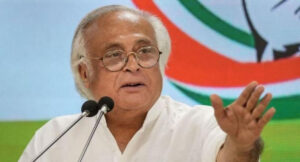
    Jairam Ramesh, general secretary in-charge communications of the Congress party has targeted Prime Minister Narendra Modi again, this time in connection with the partnerships between the telecom and satellite players.

    US billionaire Elon Musk’s SpaceX has entered into an agreement with telecom provider Airtel to introduce Starlink services in India. A day later, a deal was signed between Reliance’s Jio Platforms and Musk’s SpaceX. While Sunil Mittal has lauded and welcomed the partnership, the Congress party has alleged that these deals were ‘orchestrated’ by the prime minister to “buy goodwill” of US President Donald Trump through Elon Musk.

    Sharing a post on X, Ramesh questioned how come both Airtel and Jio signed a deal with SpaceX just 12 hours apart, given that their previous objections regarding its entry to India have been overcome now, which they have been voicing for quite some time. He further added that many questions remain and the most important one is related to national security.

    Deal sparks security concerns
    In his post, he mentioned, “It is abundantly clear that these partnerships have been orchestrated by none other than the PM himself to buy goodwill with President Trump through Starlink’s owner Elon Musk. But many questions remain. Perhaps the most important one relates to national security. Who will have the power to switch connectivity on or off when national security demands it? Will it be Starlink or its Indian partners? Will other satellite-based connectivity providers also be permitted and on what basis?”

    Ramesh also questioned the government over Tesla’s manufacturing in India and asked whether there remains some commitment to it, given that Starlink has been facilitated into India.

    Starlink deal
    Mukesh Ambani-led Reliance’s Jio Platforms and SpaceX struck a deal on Wednesday, which came as a surprise, given the feud between the two billionaires over internet service airwave allocation. In the last few months, competitors Jio and Airtel came together and advocated for a spectrum auction for satellite services in India, arguing that an administrative allocation could allow Musk to acquire airwaves at a lower cost than what they previously paid through auctions, according to a PTI report. Business Standard