Month: March 2025

  • A US broadband plan’s Starlink costs billions of dollars, says an internet rights group

    A US broadband plan’s Starlink costs billions of dollars, says an internet rights group

    An internet rights group on Tuesday raised alarm over reports the United States may steer billions of dollars to Elon Musk’s Starlink by making changes to a rural broadband deployment program.

    Net neutrality supporter Free Press spoke out after the Wall Street Journal reported that the Department of Commerce could set Musk up for a windfall by overhauling a $42.5 billion program established under former President Joe Biden to bring broadband internet service to rural parts of the country.

    Commerce Secretary Howard Lutnick has told staff he plans to significantly increase the share of money available to satellite-internet providers such as Starlink rather than firms that use fiber-optic cables to deliver high-speed internet service, the Journal reported, citing people familiar with the situation.

    Starlink is a unit of Musk’s SpaceX company.

    Musk — the world’s wealthiest person and a top donor to Donald Trump’s 2024 campaign — has status as a “special government employee” and “senior adviser to the president.”

    Trump put Musk in charge of the newly created Department of Government Efficiency that has been slashing the ranks of US agencies under the auspices of budget cutting.

    “The Trump administration is undermining an essential bipartisan program designed to bring reliable and affordable broadband to tens of millions of Americans — and it’s doing so just to line Elon Musk’s already bulging pockets,” Free Press co-chief Craig Aaron said in a statement.

    During the Biden administration, the Federal Communications Commission rejected Starlink’s application for nearly $900 million in subsidies on the grounds it failed to show it could meet service requirements, Free Press noted.

    Fiber optic cables are considered faster and more reliable than satellites for broadband internet service.

    Congress created the Broadband Equity, Access and Deployment Program as part of a 2021 infrastructure bill that Biden signed into law.

    Proposals from every US state have been approved, but critics argue the program is moving too slowly. AFP

  • DoT issued a strong warning against telecom resource exploitation

    DoT issued a strong warning against telecom resource exploitation

    The Department of Telecommunications (DoT) has issued a strong caution against the misuse of telecom resources, warning individuals and entities against tampering or spoofing telecommunication identifiers such as mobile numbers, IP addresses, IMEI numbers and SMS headers.

    The move comes as part of DoT’s ongoing efforts to curb cybercrime and financial fraud.

    Stringent Penalties Under Telecommunications Act, 2023
    With the enactment of the Telecommunications Act, 2023, the government has introduced stringent penalties for offenders engaged in telecom fraud. The Act criminalizes the unauthorized acquisition and misuse of Subscriber Identity Modules (SIM cards) and other telecom identifiers.

    Section 42(3)(c) explicitly prohibits the tampering of telecommunication identifiers, while Section 42(3)(e) bars the procurement of telecom resources through fraud, impersonation, or deceit.

    Violators of these provisions face severe consequences, including imprisonment of up to three years, fines reaching Rs 50 lakh, or both.

    Furthermore, Section 42(6) of the Act extends the same punishment to individuals who abet such offenses. Importantly, these offenses are classified as cognizable and non-bailable under Section 42(7), underscoring the gravity of such violations.

    Growing Concerns Over Telecom Fraud
    DoT has observed multiple instances where fraudsters have exploited telecom resources to engage in cybercrimes. Some individuals acquire SIM cards under their names and later transfer them to others, often unknowingly becoming complicit in fraudulent activities.

    There have also been cases of Point of Sale (PoS) agents facilitating such illicit procurements by using fake documents, an act that qualifies as aiding and abetting under the law.

    Another alarming trend involves the modification of telecom identifiers such as Calling Line Identity (CLI) through mobile applications, enabling fraudsters to mask their identity while engaging in illicit activities.

    Similarly, IP addresses, IMEI numbers, and SMS headers have been manipulated to send deceptive messages, adding another layer of complexity to digital fraud.

    While speaking with APAC, Sanjeev Sharma, Deputy Director General of the AI & Digital Intelligence Unit (AI&DIU), DoT stated:

    DoT’s Commitment to a Secure Telecom Ecosystem
    In response to these threats, DoT is actively implementing advanced technological solutions and policy measures to ensure a secure telecom environment for citizens. By leveraging AI-driven fraud detection mechanisms and stricter verification protocols, the department aims to deter malicious actors and enhance public trust in the country’s telecom infrastructure.

    DoT has urged all telecom users to remain vigilant and report any suspicious activities related to telecom fraud. Citizens are advised not to share or transfer their SIM cards to unknown individuals and to verify the authenticity of messages and calls before engaging with them.

    Sanchar Saathi is another initiative by the DoT to identify and combat fraudulent calls, as well as empower citizens. DoT’s Sharma, during a previous conversation, also stated the role Sanchar Saathi has been playing to tackle cyber frauds.

    He explained that the portal and the app collect reports, which we analyze using the digital intelligence platform. This system is backed by over 540 organizations, including law enforcement agencies, state police, financial institutions, telecom service providers, and private entities like WhatsApp.

    The data is processed using AI and big data analytics, identifying telecom resources being misused, leading to actions like re-verification, revocation, or disconnection of flagged numbers.

    With the Telecommunications Act, 2023 serving as a robust legal framework, DoT remains steadfast in its mission to combat telecom fraud, safeguard consumer interests, and uphold the integrity of India’s digital communications landscape. APAC News Network

  • By June 2025, satellite internet services are likely to be available

    By June 2025, satellite internet services are likely to be available

    Indian skies may open up to satellite internet as early as June, with the telecom regulator preparing the ground for the service that promises to reach distant corners and the open seas.

    The Telecom Regulatory Authority of India (TRAI) is giving finishing touches to a set of recommendations on the pricing and use of satellite communications that has been in the making for nearly two years now, three people aware of the development said.

    Once a framework is introduced and spectrum allocated, it will set the stage for the debut of satellite internet services by Mukesh Ambani’s Reliance Jio Infocomm, Sunil Bharti Mittal’s Bharti Airtel and Elon Musk’s Starlink.

    “The recommendations are very close to being finalized, and the final methodology is mostly here,” one of the three people cited above said on the condition of anonymity, adding that the regulator is taking its time because the recommendations will include details on the revenue sharing model of satcom services, how spectrum will be allocated and priced, and other necessary regulations.

    “Once the pricing and operations framework is out, Trai wants to quickly pass it through the Department of Telecommunications (DoT) and have it approved without much conflict,” the official cited above said.

    The second official said that Trai may submit its recommendations in March itself and, after a brief consultation period, they are set to be adopted without much change by the Digital Communications Commission.

    “This will set the auction process in order, which should take two to three months at best including final trials by operators. By June, operators in satellite services should start generating revenue as well,” the person added.

    Queries sent to Trai and DoT, as well as Bharti Airtel and Reliance Jio remained unanswered.

    The background
    Satcom involves using satellites that connect to a receiver on the ground, which can beam data to devices like mobile phones or laptops. India’s space sector was liberalized to provide access to satellite spectrum and infrastructure between 2020 and 2022.

    The promise of these services urged Reliance Jio to sign a joint venture with Luxembourg-based satellite operator SES in February 2022.

    A month earlier, Bharti Airtel, with its joint venture partner Hughes Communications India, signed a distribution deal with UK’s OneWeb. In September 2023, France’s Eutelsat acquired OneWeb. Following the completion of the deal, Airtel remained the largest shareholder of the newly formed entity, by virtue of it owning 100% of OneWeb’s India division.

    Musk’s satellite internet services firm, Starlink, is the third key competitor in this space. While the service had, for a short while, started accepting security deposits from customers in anticipation of a launch, the Centre’s strictures saw its preorders being suspended. As of now, Starlink has not received its Global Mobile Personal Communication by Satellite (GMPCS) licence, each of the three officials cited above confirmed.

    “Starlink is keen on India, but it’s likely that they may not be present when the first operators commence services,” the third person cited above said. “That shouldn’t be a problem, though—satellite services are here for the long run, especially with Musk’s focus on Starlink as a consumer-facing service.”

    Jio, however, has not been too comfortable with the looming threat of Starlink. The company has written to the Centre several times to make a case for auctioning satellite spectrum. The Centre, following global precedent, said in the Telecommunications Act, 2023 that satellite spectrum will be given to operators through an administrative allocation process, which is preferred by Starlink.

    Question of when, not if
    Now, though, the services seem imminent. On Monday, speaking at a press conference at Mobile World Congress in Barcelona, Union telecommunications minister Jyotiraditya Scindia said that each satcom operator “will be treated equally”, and no one will be offered preferential treatment over another.

    On 20 February, speaking at an event hosted by brokerage firm Kotak Institutional Equities, Akhil Gupta, vice-chairman of Bharti Enterprises, had said that Airtel-OneWeb’s satellite internet services “will be launched soon commercially”, and that “the gateways in Gujarat and Tamil Nadu are already beaming, with spectrum already given on a test basis”.

    Industry stakeholders and analysts expect the satcom services rollout to happen imminently, too, but emphasize on pricing as a key factor. T.V. Ramachandran, president of Broadband India Forum, said while administrative allocation is assured by the Telecommunications Act, and this should see the Trai framework being rolled out very soon, the pricing needs to be kept nominal to ensure access to maximum number of users who otherwise remain unconnected.

    “Satcom operators are uniquely different from terrestrial operators, since the spectrum here is fully shared—and the modus operandi should be to connect the unconnected areas,” said Ramachandran. “The pricing of spectrum must, therefore, be done accordingly to ensure that most people get the benefits of the satellite internet services.”

    A senior executive close to developments at the Airtel-OneWeb consortium further added, “Bharti Airtel has been ready with its services—to the extent that it can go live with its operations within a very, very short span of time. Regulatory uncertainty has only been stalling the sector, while our satellite constellation and network are both live for enterprise consumption,” the executive said.

    Like Airtel, Jio, in October 2023, had announced the launch of Jio ‘Space Fiber’ satellite internet services for consumers. Both remain in functional pilot stages right now, awaiting policy clearance from the Trai, and subsequently, the DoT. LiveMint

  • Jio and Airtel ask the govt to give Starlink comparable spectrum rates

    Jio and Airtel ask the govt to give Starlink comparable spectrum rates

    Ahead of the govt decision over American Starlink’s satcom license and mobile airwaves allotment, Reliance Jio and Airtel have petitioned the government to ensure “fair competition” in the sector and mandate “comparable” spectrum prices for the Elon Musk-run company in order to tackle “market distortions”.

    The representation by the Indian telecom giants, accuses regulator TRAI of “overlooking the need for a level-playing field” between satellite and terrestrial spectrum assignments.

    “Comparable spectrum pricing to terrestrial services should be enforced for competing satellite services in urban/semi-urban/rural areas for retail/enterprise customers,” the petition by the local telcos says. “The ‘same service, same rules’ principle is essential for fair competition, requiring satellite operators offering similar services to adhere to the same spectrum pricing, regulatory levies, and fees as terrestrial operators.”

    While the new telecom law, passed in December 2023, had stipulated that spectrum to satcom players be allotted administratively on payment of a fee (against auctions for terrestrial makers), the allotment prices and other modalities are currently being worked upon by TRAI.

    “Spectrum allotment rules must address the competing nature and market distortions introduced by LEO (low-earth orbit) mega constellations to ensure level-playing field with existing satellite and terrestrial operators,” the representation said.

    However, the telcos said that administrative assignments of spectrum with “nominal pricing” should apply for “non-competing use cases” in govt functions, disaster recovery, cellular backhaul, and sectors like defence, maritime, and aviation.

    The local operators, who have already received satcom license from govt but await spectrum allotment, claimed that the low-earth satellite solutions are developing mega constellations that can offer broadband speeds and capacity comparable to terrestrial networks.

    “Given the oversupply of broadband capacity that these entities are bringing to market, they will distort competition of terrestrial broadband, especially in urban/semi-urban areas serving retail/enterprise customers.”

    The companies said that globally the business model of LEO mega-constellations has been to create “oversupply” of broadband capacity.

    However, despite demands by telcos, Govt has been steadfast in its decision to allot satcom spectrum administratively, without auctions. Telecom Minister Jyotiraditya Scindia has maintained that satcom spectrum cannot be auctioned due to technological constraints.

    “Please understand that technologically there’s a big difference between spectrum that is meant for terrestrial networks and spectrum that’s allocated to satellite-based, non-terrestrial networks. As far as terrestrial networks are concerned, you can allocate frequencies exclusively which can’t be used by others… that spectrum cannot be allocated to a single entity. It is shared. How do you auction something that’s shared? You can’t,” he has said.

    Musk’s application for satcom license is still pending with govt over issues of security clearances. Teams representing the company have been clarifying their stand to the DoT and the Ministry of Home Affairs as the application enters the final leg of the approval process, sources say. ToI

  • NBA source confirms Rockets’ interested in Kevin Durant and Devin Booker

    NBA source confirms Rockets’ interested in Kevin Durant and Devin Booker

    The Suns have fallen a long way since their memorable 2021 NBA Finals run. They made drastic changes to acquire Kevin Durant in hopes of getting over the hump. Instead, they sit near the bottom of the West and are at serious risk of missing the play-in tournament.

    Phoenix tried to deal Durant at the trade deadline, but it fell through, so the two sides will likely part ways in the offseason. NBA insider Sam Amick reports that the Rockets are interested in both KD and Devin Booker.

    The Suns won’t receive a player of Durant’s calibre in any trade, but they’ll likely get young talent and draft capital. Although the return doesn’t align with the Suns’ current timeline, it could influence their vision moving forward.

    Amick made a guest appearance on FanDuel TV’s Run It Back to reveal the Suns’ struggles have opened up questions about their future concerning all players. Houston is among the teams willing to take advantage of that.

    “[The Suns’ struggles are] now opening the door for anything and everything to be a possibility in Phoenix,” Amick said.

    Phoenix nearly trading Durant without informing him has done irreparable damage to their relationship. The two-time NBA champion would be a member of the Warriors if he hadn’t objected to the deal.

    Their willingness to move on from Durant has opened the door for all their star players to be traded.

    Despite Booker being a home-grown talent, Amick believes he could get dealt. Bradley Beal’s situation is troublesome due to his no-trade clause, but the energy in Phoenix is so bleak that anything is truly a possibility.

    Durant is aware the Suns will trade him
    Following the botched Warriors deal at the deadline, there have been rumblings about Durant being traded in the offseason. ESPN insider Brian Windhorst revealed KD knows about and has accepted his potential move.

    “[The Suns] are going to trade him, and he knows that,” Windhorst revealed. “KD is setting himself up for his last act. I think everybody’s intentions are crystal clear.”

    Historically, Durant has been on the receiving end of criticism for his decisions. However, Windhorst applauds Durant for how he has handled the situation. He has shown the utmost professionalism and hasn’t thrown the organization under the bus throughout this process.

    Unfortunately, the experiment with the Suns didn’t go as planned, but Durant has proven that he has plenty left in the tank to give a team one last push for a championship. The SportsRush

  • CT 25 Semi Final: IND vs AUS

    CT 25 Semi Final: IND vs AUS

    The stage is set for a cricketing spectacle in Dubai as two powerhouses, India and Australia, collide in a high-stakes semi-final of the ICC Champions Trophy today. With a place in Sunday’s final on the line, both teams will be fuelled by history, rivalry, and the hunger to prevail.

    The echoes of 2023 linger
    “There’s nothing more satisfying than hearing a big crowd go silent.” Pat Cummins’ words after Australia’s triumph over India in the 2023 ODI World Cup final still ring in the ears of Indian fans. While Cummins isn’t here this time, the challenge remains the same—can India break Australia’s dominance in ICC knockout matches?

    Since their 2011 World Cup quarter-final clash, the two teams have met four times in ICC ODI tournaments, sharing two wins each. India’s victories came in the league stages of the 2019 and 2023 World Cups, but Australia struck when it mattered most—in the 2015 semi-finals and the 2023 final. The stakes couldn’t be higher as the two sides meet again with everything to play for. And here comes the role of 22 men, who will take the field today. Check out how the Playing 11s of both team could be for Champions Trophy 2025 semifinal today:

    India Playing 11 vs Australia today: Spin-heavy or balanced attack?

    The big question for India revolves around their spin combination. Should they go with four spinners or stick to three? And if it’s three, who gets the nod? Varun Chakravarthy’s five-wicket haul against New Zealand has complicated the decision, making him a strong contender for the playing XI. With the semi-final being played on the same pitch used for India’s clash against Pakistan on February 23, conditions will play a crucial role in shaping the team’s approach.

    India Playing 11 (probables): Rohit Sharma (capt), Shubman Gill, Virat Kohli, Shreyas Iyer, Axar Patel, KL Rahul (wk), Hardik Pandya, Ravindra Jadeja, Kuldeep Yadav, Mohammed Shami, Varun Chakravarthy.

    India squad for Champions Trophy 2025 semifinal: Rohit Sharma(c), Shubman Gill, Virat Kohli, Shreyas Iyer, Axar Patel, KL Rahul(w), Hardik Pandya, Ravindra Jadeja, Mohammed Shami, Kuldeep Yadav, Varun Chakravarthy, Rishabh Pant, Washington Sundar, Arshdeep Singh, Harshit Rana

    Australia Playing 11 reshuffle for semifinal: Connolly set for a debut?

    Australia has been forced into a change with Matt Short ruled out due to injury, bringing Cooper Connolly into the squad. Given the spin-friendly conditions in Dubai, the left-arm spinning all-rounder is likely to slot in straight away. However, Short’s absence also means Australia loses a reliable off-spin option, which could influence their approach.

    If Connolly plays, Australia must decide who partners Travis Head at the top. Josh Inglis, who has experience opening in ODIs, appears to be the frontrunner. Meanwhile, there’s also a case for a second frontline spinner in Tanveer Sangha if the conditions warrant it.

    Australia Playing 11 (probables): Travis Head, Josh Inglis (wk), Steven Smith (capt), Marnus Labuschagne, Cooper Connolly, Alex Carey, Glenn Maxwell, Ben Dwarshuis, Nathan Ellis, Spencer Johnson, Adam Zampa.

    Australia squad for Champions Trophy 2025 semifinal: Jake Fraser-McGurk, Travis Head, Steven Smith(c), Marnus Labuschagne, Josh Inglis(w), Alex Carey, Glenn Maxwell, Ben Dwarshuis, Nathan Ellis, Adam Zampa, Spencer Johnson, Sean Abbott, Aaron Hardie, Tanveer Sangha, Cooper Connolly. Business Standard

  • A Shanghai hospital introduces the country’s first AI cardiologist

    A Shanghai hospital introduces the country’s first AI cardiologist

    A Shanghai hospital has unveiled China’s first artificial intelligence system designed to mimic the diagnostic reasoning of the world’s leading cardiologists in a bid to tackle the country’s overwhelming demand for cardiac care.

    CardioMind, developed jointly by Fudan University-affiliated Zhongshan Hospital and the Shanghai Academy of Artificial Intelligence for Science, compares patient histories and test results with global research to generate diagnostic suggestions.

    According to its creators, the system is not intended to be a replacement for physicians, but rather a “co-pilot” that can help overburdened doctors work faster and more accurately.

    “We’re feeding it cardiovascular data and teaching it to think like a top expert cardiologist,” said Ge Junbo, a leading cardiologist and academician with the Chinese Academy of Sciences, who spearheaded the project.

    “With the help [of AI], our doctors can serve more patients, reduce the overall workload, and improve the quality of diagnosis and treatment,” Ge told Yicai Global News.

    While AI tools like CardioMind are proliferating globally, proponents argue that they could be especially transformative in China, where a shrinking workforce and ageing population are straining medical resources.

    The urgency is clear. For example, the Zhongshan cardiology department’s 136 physicians last year handled 820,000 outpatient visits – a ratio underscoring the pressures facing China’s top public hospitals.

    Unlike open-source AI models such as China’s DeepSeek, CardioMind has been trained specifically for cardiovascular diseases, drawing on decades of internal data including hundreds of thousands of anonymised patient records from the hospital’s archives.

    The system – which has also been trained on the latest international treatment guidelines and research papers spanning coronary artery disease, heart failure, and other subfields – synthesises electrocardiograms, ultrasound images and blood tests to draft structured medical reports and recommend diagnoses.

    CardioMind is in use only at Zhongshan Hospital, where doctors review all of its outputs and make the final decisions on patient treatments and care, according to the Yicai Global News report.

    While CardioMind’s developers emphasise the system’s rigorous testing, there are still lingering ethical concerns. Patient privacy, algorithmic bias, and questions of liability for AI-introduced errors remain unresolved hurdles in China and elsewhere.

    According to a Citic Securities report, China has launched more than 50 medical large language models since 2023. Most aim to streamline paperwork or assist diagnostics, though critics caution that real-world clinical validation remains limited.

    Google’s Med-Gemini – which processes text, images and biosignals – is leading global performance benchmarks, outpacing OpenAI’s GPT-4 in medical accuracy by 44 per cent, according to recent studies.

    However, Chinese institutions are closing the gap, with development driven by vast patient data sets and government backing for AI-based innovations. South China Morning Post

  • According to WHO, Mpox remains a health emergency

    According to WHO, Mpox remains a health emergency

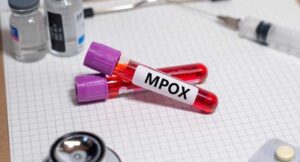
    The mpox outbreak is still a public health emergency, the World Health Organization said on Thursday.

    The WHO, which first declared the emergency in August last year, said its decision was based on the continuing rise in the number of mpox cases and the geographic spread of the outbreak.
    The agency added that violence in the eastern Democratic Republic of the Congo, which has hampered its response plan, was also a factor.

    A public health emergency of international concern is the WHO’s highest form of alert, and is declared by the agency’s Director-General after advice from a group of external experts. A different form of mpox was also labelled as an emergency in 2022-2023.

    The new form of mpox, clade Ib, continues to predominantly affect the Democratic Republic of Congo, but Uganda and Burundi are also significantly affected, according to a recent report from the WHO. There have also been travel-related cases in countries including Thailand and Britain.

    Globally, there have been more than 21,000 cases confirmed by laboratory testing since the beginning of 2024, including 70 deaths, mainly in Congo, according to the WHO. Last year, there were also more than 50,000 suspected cases, and more than 1,000 deaths. Confirming cases has been challenging in areas with less capacity.

    Mpox is a viral infection that spreads through close contact and typically causes flu-like symptoms and pus-filled lesions. It is usually mild, but can be lethal. Reuters

  • Trump’s CDC revamp has experts scared about flu, measles, & Ebola

    Trump’s CDC revamp has experts scared about flu, measles, & Ebola

    To keep an eye on some of the world’s most dangerous infectious diseases, scientists rely on reports from the Global Measles and Rubella Laboratory Network. Known affectionately as Gremlin, it’s a grouping of more than 700 international labs that test about 500,000 patient samples annually. Gremlin monitors the prevalence of a huge range of pathogens in addition to those in its full name, including Covid-19, RSV, dengue, yellow fever and Ebola. And it does so on a remarkably modest budget: just $8 million a year, or less than 10% of the price tag for a single F-35 fighter jet.

    Yet the program, which is managed by the World Health Organization, is suddenly on the brink of extinction. Gremlin depends on money from the Centers for Disease Control and Prevention, the flagship US public-health agency. Since its establishment in 1946, the Atlanta-based CDC has worked on the front lines of every significant infectious disease outbreak, and if any of the threats that Gremlin tracks become a major problem, the agency will be expected to play the same role again. But shortly after President Donald Trump’s inauguration on Jan. 20, the lab network’s staff learned its future was in doubt, because the US had pulled its funding, prompting an urgent scramble to find alternative donors.

    The decision was a small but significant example of the uncertainty engulfing the CDC, which now answers to Robert F. Kennedy Jr.—a longtime promoter of false claims about vaccine safety, along with other pseudoscientific notions, who was confirmed as the US secretary of health and human services on Feb. 13. As many as 700 CDC employees have been told they will lose their jobs, including hands-on scientists and lab personnel. Many were informed of their terminations in emails that said their “performance has not been adequate to justify further employment.”

    The CDC has also been ordered to stop communicating entirely with the WHO, a United Nations body that, whatever its missteps during the coronavirus pandemic, remains the main global venue for coordinating public-health policies and sharing related information. Late last month, CDC influenza experts almost missed the international summit where scientists debate the composition of coming flu vaccines, confirming their participation with just 48 hours’ notice. And for a time, agency web pages containing vital health data were disappearing so fast that independent researchers began a crash effort to back them up and determine which information had been purged or altered.

    A spokesman for the CDC declined to comment for this story; HHS did not respond to a request for comment.

    The Trump administration’s changes to the CDC—some of them directed by Elon Musk’s Department of Government Efficiency, which is not an official department but an office under the purview of the White House—are occurring at a risky moment. The US is experiencing its most severe flu season in 15 years, leading to an estimated 430,000 hospitalizations and 19,000 deaths since October. Cases of measles have surged amid declining vaccination rates, and an outbreak of the potentially fatal, hypercontagious virus is causing hospitalizations and has resulted in at least one death in Texas. Then there’s H5N1, the pathogen better known as bird flu. The virus has spread widely on poultry farms, pushing up egg prices, and is increasingly infecting dairy cows and small numbers of humans. As it becomes more common, the risk of a mutation that could create a pandemic strain is rising.

    Musk, Trump and their allies have said these overhauls are needed to rein in unnecessary spending and refocus the government on core priorities. Kennedy, for his part, suggested during his Senate confirmation hearing that he wants to shift federal research toward chronic illnesses, offsetting what he characterized as an excessive focus on infectious disease. But according to scientists and public-health experts interviewed by Bloomberg Businessweek, the programs being targeted at the CDC and other health and science agencies are anything but wasteful—and gutting them means more people will die from preventable or treatable conditions.

    “This is the worst scenario I can possibly imagine,” says Angela Rasmussen, a virologist at the University of Saskatchewan in Canada who’s co-editor-in-chief of the journal Vaccine. “It’s difficult to quantify how many lives will be destroyed.”

    Before Trump’s inauguration, the US government’s public-health efforts were anchored by three major institutions. The CDC tracked and responded to acute health threats, particularly from infectious disease, at home and abroad. Its sister agency, the National Institutes of Health, provided as much as $47 billion annually for biomedical research, funding studies at its own labs and US academic institutions. And the US Agency for International Development worked to strengthen health-care systems and deliver treatments around the world—including American-developed HIV therapies that have helped millions in sub-Saharan Africa.

    While public health is an intensely collaborative enterprise, with practitioners in constant communication with international colleagues, the US role was unique. “Across the proverbial value chain—developing products, approving them, providing guidance, establishing infrastructure for delivery and maintaining surveillance systems to ensure global safety—the US may not be the only actor, but it is a driver in every one of those areas,” says Mitchell Warren, the executive director of AVAC, a New York-based organization that advocates for HIV prevention research. This infrastructure provided an economic benefit—medical research supports more than 400,000 American jobs—and ensured the US government was among the very first to know about new, potentially society-altering health threats.

    Some of its key components are now undergoing what Musk might call “rapid unscheduled disassembly”—a term used by his company SpaceX after rocket explosions. Almost all of USAID’s staff is being laid off or put on administrative leave, and what few overseas-development programs survive will likely be folded into the Department of State. The process for seeking NIH grants is partially frozen, and the agency has moved to sharply reduce what it contributes to researchers’ indirect costs, such as lab maintenance and IT support. (Musk has derided such costs as “a ripoff.”) The end or curtailment of both agencies’ operations is likely to create an opportunity for China, which is a major provider of foreign aid and spends increasing amounts on biomedical research.

    But the transformation of the CDC will have the most immediate impact. Among other things, it serves as a giant intelligence apparatus, monitoring data from every part of the world to identify worrying trends and respond before they grow severe. These surveillance functions were among the first to break down after Trump took control of the federal government. In late January the CDC failed—for the first time ever—to release its Morbidity and Mortality Weekly Report, a digest of public-health news that doctors and policymakers have relied on, in various guises, for more than a century. It also stopped sharing data via FluNet and FluID, platforms that track influenza.

    Like the Gremlin lab network, FluNet and FluID are administered by the WHO. Trump signed an executive order withdrawing the US from the UN body on his first day in office, citing its “mishandling” of Covid and “failure to adopt urgently needed reforms.” Communication with the CDC stopped around Jan. 24, Maria Van Kerkhove, the WHO’s interim director of epidemic and pandemic preparedness and prevention, told reporters in Geneva on Feb. 12.

    The WHO also coordinates the process of selecting strains for seasonal flu vaccines, relying on information supplied by some 130 countries. (The shots need to be updated regularly to remain effective.) In February it convened a long-planned advisory committee meeting in London, which would normally be attended by as many as five CDC representatives. This year officials weren’t sure until almost the last minute whether anyone from the agency would show up or send a package of data that it regularly supplies to guide discussion.

    In the end, the CDC provided the data, and its staff joined by videoconference. It’s unclear whether they received a formal waiver from the Trump administration to participate in a WHO process, or whether CDC experts will be prohibited from doing so in the future, a prospect that influenza experts find alarming. Failing to take part wouldn’t just deprive other countries of American expertise. It could also reduce the information available to the US government as it prepares for future flu seasons. “If we are to disengage from the WHO, we will be flying blind,” says Nancy Cox, a virologist who led CDC flu programs for more than 20 years. Already the Trump administration has canceled a March meeting of the Food and Drug Administration’s vaccine advisory committee, where flu-shot plans were to be discussed.

    What really worries some of Cox’s peers, however, is the less familiar threat of bird flu. So far the main effects of H5N1 have been on farm animals and wildlife. The relatively small number of humans infected have largely been farmworkers and their symptoms mostly mild. But there’s evidence that the pathogen could be spreading undetected. A recent CDC study—published in mid-February after an unexplained two-week delay—reported on the cases of three bovine veterinarians who’d unknowingly contracted it. Alarmingly, one of them worked in Georgia and South Carolina, states that haven’t officially reported H5N1 outbreaks on dairy farms.

    The Trump administration has said that containing bird flu remains a priority. Still, that effort isn’t immune to the cost-cutting campaign. Several US Department of Agriculture employees working on bird flu were recently fired by accident; the agency says it’s “working swiftly to rectify the situation.” The government is also reviewing a $590 million contract for an H5N1 vaccine from Moderna Inc., people familiar with the matter told Bloomberg News. If it’s canceled, final-stage trials of the inoculation may not go forward.

    The nightmare scenario is one that virologists have feared ever since H5N1 was first identified in humans in the 1990s: that it will swap genes with seasonal flu, creating a more virulent strain that can easily spread between people. This is a theoretical possibility whenever a host, whether human or animal, is infected with both bird flu and seasonal flu simultaneously. That’s obviously more likely to happen when both viruses are in wide circulation, as they now are in many parts of the US.

    The risk of such a combination is “low until it changes,” says Marion Koopmans, the head of virology studies at Erasmus University in Rotterdam. “How do you know it changes if you’re not really scrutinizing? That’s the worry. We rely on proper surveillance, which in this situation should be really enhanced.” Without such monitoring, a serious outbreak might be detected only when sick patients begin to overwhelm hospitals.

    The full scope of the administration’s plans for the CDC will likely become clearer in the coming weeks, as the furious pace of DOGE-related changes slows and Kennedy consolidates his control. His views could not be more at odds with those of the scientists working under him; in addition to his anti-vaccine advocacy, he has questioned the well-established link between HIV and AIDS and falsely suggested Covid was “targeted to attack Caucasians and Black people.” (Kennedy said in a recent interview that HHS employees engaging in “good science” have “nothing to worry about.”)

    What’s almost certain is that, over the next four years, the CDC will be smaller, less well resourced and more reticent about foreign partnerships. It’s also likely to lose some of its best employees, whether through layoffs or voluntary departures: Many could earn considerably more than their government salaries at university labs or pharmaceutical companies. Whether such a downsized, demoralized agency is able to respond to emerging health threats—or, at worst, another pandemic—will be known only when it’s tested.

    “There are inefficiencies we should address, and we should always be open to new approaches and ideas,” says Harlan Krumholz, director of the Yale New Haven Hospital Center for Outcomes Research & Evaluation, an academic group that advises hospitals and governments on patient care. “At the same time, it’s important to recognize that we’ve built a jewel of a system—a remarkable engine of discovery that supports countless breakthroughs and partnerships across the globe. If we’re not careful, we risk dismantling something that’s taken decades to build.” Bloomberg

  • Nearly all government hospitals in Uttarakhand have CT scanners installed

    Nearly all government hospitals in Uttarakhand have CT scanners installed

    Healthcare facilities in Uttarakhand are evolving to overcome the challenges of its rugged Himalayan terrain, with the government strengthening infrastructure and services.

    From upgrading hospitals with state-of-the-art facilities to ensuring that every citizen benefits from government healthcare schemes, effective measures are being implemented to enhance healthcare accessibility across the state.

    Uttarakhand Chief Minister Pushkar Singh Dhami stated, “Before 2014, healthcare services were in poor condition. Today, under the leadership of our Prime Minister, the healthcare sector is progressing towards unprecedented development.”

    The Uttarakhand government has effectively implemented central healthcare schemes while successfully executing its own state-level policies.

    These include the Ayushman Bharat Scheme, Atal Ayushman Uttarakhand Scheme, and the State Government Health Scheme, which provide free treatment and health insurance benefits to economically weaker sections of society.

    Through the Ayushman Bharat Scheme, millions of beneficiaries in Uttarakhand can access free treatment at over 26,000 hospitals nationwide.

    Mahendra Singh Rawat, a relative of a beneficiary at District Hospital in Champawat, said, “My grandmother received complete treatment free of cost through the Ayushman Card. We are very grateful to the government.”

    Another relative of a beneficiary at B.D. Pandey District Hospital in Pithoragarh, Samun Ojha, said, “I admitted my mother under the Ayushman Card scheme. Not only was her treatment covered, but all medicines and services were provided free of cost. Thanks to the government.”

    So far, around 2.5 lakh patients have benefited from this scheme. In this digital era, the Uttarakhand government has further empowered healthcare services by implementing the Ayushman Bharat Digital Mission.

    Now, citizens are provided with an ABHA ID (Ayushman Bharat Health Account ID), ensuring their medical records are securely stored digitally.

    To date, approximately 6.9 million ABHA IDs have been created.

    Dr R. Rajesh Kumar, Secretary of Health & Medical Education, Uttarakhand, said, “Ayushman Bharat is a transformative health scheme. Since its implementation, the Uttarakhand government has adopted the concept of universalisation, meaning that anyone with a ration card is eligible for this scheme.”

    The government, in collaboration with NGOs and similar organizations, has launched a unique initiative to provide free dialysis services to those in need.

    This initiative not only brings quality healthcare closer to patients but also eliminates the need for them to travel to big cities for treatment.

    Dilbar Singh, a beneficiary at the Dialysis Center in Karnaprayag, said, “I have been receiving dialysis here for two years. The facilities are excellent, especially for people like us who cannot afford treatment in Dehradun.”

    To enhance healthcare services, promote medical research, and develop new treatments, the Uttarakhand government is establishing medical colleges.

    For example, a Government Medical College is under construction in Pithoragarh, which will benefit both local students and the general public by providing advanced medical facilities.

    Currently, Uttarakhand has 276 active hospitals, including both government and private institutions. The government has also taken significant steps to equip government hospitals with modern medical facilities.

    For instance, CT scan facilities are now available in almost every government hospital, saving both time and money for residents.

    Baldev Joshi, a local resident at District Hospital in Champawat, said, “Earlier, despite having a hospital, people had to travel far even for minor medical needs. But now, the Champawat District Hospital provides all necessary facilities, making healthcare more accessible.”

    Through these innovative efforts, the Uttarakhand government is driving a transformative revolution in the state’s healthcare sector.

    The effective implementation of government schemes, strategic use of digital technology, and expansion of high-quality healthcare in remote areas are strengthening Uttarakhand’s healthcare infrastructure.

    These measures not only improve healthcare facilities for citizens today but also lay the foundation for a healthier future for the people of Uttarakhand. ANI